June 8, 2026
Understanding the importance of brake maintenance not only ensures safety but also significantly contributes to prolonging the overall health and lifespan of your vehicle. Investing time in understanding your brake system plays a crucial role in recognizing early warning signs and planning timely interventions. Moreover, such preventive measures are in line with sustainable practices by delaying the need for complete replacements and reducing metal and chemical waste. As brake systems are integral to vehicle safety, they demand a proactive approach to maintenance.
Anatomy of a Standard Braking System
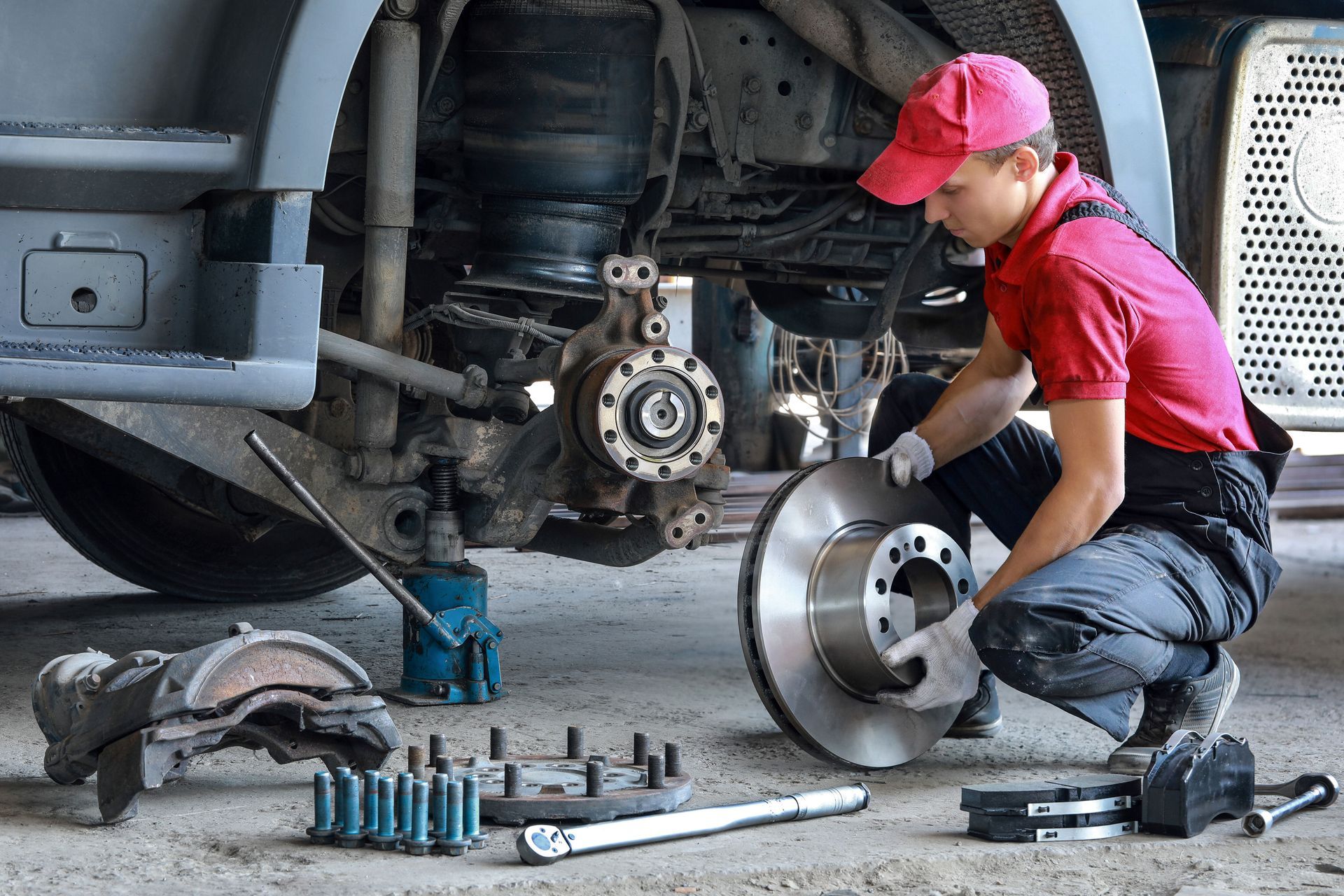
The braking mechanism in a vehicle is composed of several crucial components, including the brake pads, rotors, calipers, and master cylinder. Each component has a specific function, working in unison to bring the vehicle to a stop safely. Brake pads create friction against the rotors, which is critical for slowing down the vehicle. Calipers squeeze the brake pads against the rotors when you press the brake pedal, utilizing hydraulic force generated by the master cylinder. All these components must be in excellent condition to ensure optimal braking performance. Regular checks and adjustments are necessary to keep each part functioning correctly and to avoid unexpected braking failures. Neglecting any part of the system can compromise the entire mechanism, potentially leading to dangerous driving conditions. Therefore, understanding each component's role is the first step towards effective vehicle maintenance. According to Gitnux, approximately one quarter of annual auto repairs are brake repairs, which highlights the critical nature of keeping this particular system in good shape over the long haul.
The Physics and Mechanics of Stopping Force
The fundamental principle behind car brakes is the conversion of kinetic energy into heat energy. When you press the brake pedal, the car's hydraulic brake mechanism amplifies your foot pressure, transferring this force to the brake pads. The pads press against the spinning rotors, generating friction that slows the wheel's rotation, thus decelerating the car. This process involves the master cylinder and fluid, which ensures that force is distributed evenly to all wheels. A sound understanding of this process allows vehicle owners to recognize malfunctions efficiently. Modern vehicles may also include an Anti-lock Brake System (ABS), which prevents the wheels from locking during forceful application, maintaining traction with the road surface. The ABS is designed to provide stable control and prevent skidding in emergency situations. By familiarizing yourself with these systems, you can appreciate the importance of their maintenance and timely service. Regular system evaluations ensure that each component functions seamlessly, safeguarding both driver and passengers.
Common Red Flags and Symptoms of Mechanical Wear
One of the most obvious signs of wear is a squealing noise when applying pressure to the pedal. This often indicates that the pads are nearing their end and require immediate replacement. Grinding noises can also be a cause for concern, suggesting that the friction material is completely gone and causing permanent damage to the rotors. When the pedal feels spongy or requires more pressure to activate, it might indicate issues with the fluid level or air in the hydraulic lines. Additionally, vibrations or pulsing through the pedal while slowing down can be caused by warped rotors or misaligned components. Recognizing these signs early is crucial to prevent further damage and ensure driving safety. Frequent inspection and awareness of your vehicle's behavior are essential to identify these symptoms. By addressing the symptoms early on, you can avoid costly mechanical overhauls and enhance your system's overall longevity. Understanding these warning signs empowers vehicle owners to perform timely upkeep, promoting a sound mechanism.
Safety Risks and Financial Repercussions of Neglect
Neglecting maintenance can have severe repercussions not only on the vehicle but also on the safety of its passengers. Unattended components can lead to increased stopping distances, making it difficult to react to sudden obstacles on the road. This increased risk might result in accidents, causing injury and vehicle damage. Moreover, postponed brake repair can escalate into more severe mechanical issues, such as rotor damage or caliper malfunction. As these issues worsen, fixing costs rise significantly, adding financial strain to the vehicle owner. While routine checks and swift action may seem inconvenient, they prevent these high costs of negligence. In addition to safety concerns, poorly maintained vehicles can experience a negative effect on their resale value. Potential buyers assess the car's maintenance history critically, placing significant importance on mechanical condition. Consistent upkeep underscores a commitment to vehicle care, improving both safety and potential sale prospects for the future owner.
Hydraulic Integrity and Pressure Fluid Levels
Regular system inspections play an integral role in preventing expensive and extensive mechanical overhauls. During these checks, technicians can address minor wear before it leads to significant damage, such as worn-out pads scoring the rotors. Handling issues at an early stage completely eliminates the need for comprehensive part replacements. Regular checks also ensure that fluid remains effective, draining and refilling it when necessary to maintain proper hydraulic pressure. Ignoring such minor issues can lead to parts failure, demanding major overhauls or component replacements. This proactive approach often leads to better performance and cost efficiency, making it a wise strategy for vehicle maintenance. Routine inspections are foundational to sustaining vehicle health and ensuring functional stopping power at all times.
A Financial Analysis of Maintenance
Conducting a cost-benefit analysis of routine inspections reveals significant advantages in terms of financial savings and road safety. The minimal expense associated with regular inspections is far outweighed by the costs incurred from major overhauls due to neglected maintenance. Early detection and professional brake repair reduce the likelihood of more expensive fixes down the line. Regular inspections enhance road safety by ensuring the vehicle's readiness to respond effectively in emergencies. The cost savings from avoiding major mechanical work, combined with improved vehicle performance, underline the benefits of regular inspections. Investments in maintenance also contribute to sustained vehicle value and resilience. This proactive approach not only safeguards your financial investment but also provides peace of mind while driving. Allocating resources to routine inspections affirms your commitment to vehicle longevity and passenger safety.
Friction and Surface Breakdown: Managing Pad Wear
Pad wear is one of the most common issues, resulting from the regular friction needed to stop your vehicle. Over time, the material thins out, reducing efficiency and increasing the likelihood of damage to the rotors. Addressing pad wear involves routine checks and replacements to maintain stopping efficiency. When pads are worn or thin, they produce a squealing noise, indicating the need for replacement. It is essential to monitor the thickness of components during inspections and replace them promptly to avoid further damage. Ignoring the signs of worn-out parts can lead to severe rotor damage, which is much costlier to fix. Regular replacement of pads ensures that your system remains efficient, safe, and reliable. It is a relatively affordable maintenance task that contributes to extending your vehicle's life. By understanding the importance of component health, you maintain both driver safety and vehicle performance over the miles.
The Critical Role of Hydraulic Brake Fluid
Fluid plays a critical role in the hydraulic function of vehicle systems, and its integrity is paramount for effective operation. Fluid leaks or a low level in the reservoir can critically impair performance, leading to a spongy pedal feel or increased stopping distances. Identifying and addressing leaks early prevents serious safety hazards on the road. Regularly checking fluid levels and ensuring there are no leaks from the master cylinder or lines is vital. A drop in fluid level often indicates a leak, necessitating system inspection and component replacement. Fluid must be periodically flushed and refilled to avoid air contamination, which can introduce sponginess in the pedal feel. Maintaining appropriate fluid levels ensures reliability and extends the lifespan of components by preventing internal corrosion. Regular attention to fluid health preserves the hydraulic system's integrity and contributes to consistent stopping performance. Timely fluid management promotes system longevity and operational safety.
Professional service centers typically provide warranties on parts and labor, underscoring their quality commitment. By valuing both your time and vehicle integrity, professional technicians reinforce the importance of prompt maintenance and professional brake repair. Choosing professional services ensures your vehicle is road-ready without any hassle, and for the absolute best automotive care in the region, you can rely completely on Vail Automotive.