May 4, 2026
Brakes are the most critical safety component in your vehicle, serving as the primary defense against road hazards. Timely brake services ensure that your vehicle can stop effectively, preventing accidents and maintaining peak mechanical performance. Ignoring signs of wear, such as thinning pads or leaking hydraulic fluid, can lead to catastrophic failures or exorbitant repair costs later. Maintaining these systems with regular check-ups is essential for the safety of both the driver and everyone else on the road.
Adhering to manufacturer-recommended intervals is a cornerstone of responsible vehicle ownership. Every mile driven adds wear to the friction material, and environmental factors like heat and moisture can degrade brake fluid over time. According to Bankrate, car brakes should be serviced every 10,000 to 20,000 miles to maintain optimal function. By following this guideline, you protect the longevity of your car and ensure that every journey is backed by reliable stopping power.
Identifying Unusual Sounds
A high-pitched squeaking or squealing sound is often the first audible warning that your system requires attention. Most modern brake pads are designed with small metal "wear indicators" that emit a piercing noise once the pad material reaches a minimum thickness. This auditory alert is a deliberate feature meant to prompt brake services before the pads disappear entirely. If you hear this sound consistently, it means the friction material is nearly gone, and your vehicle's safety is starting to decline.
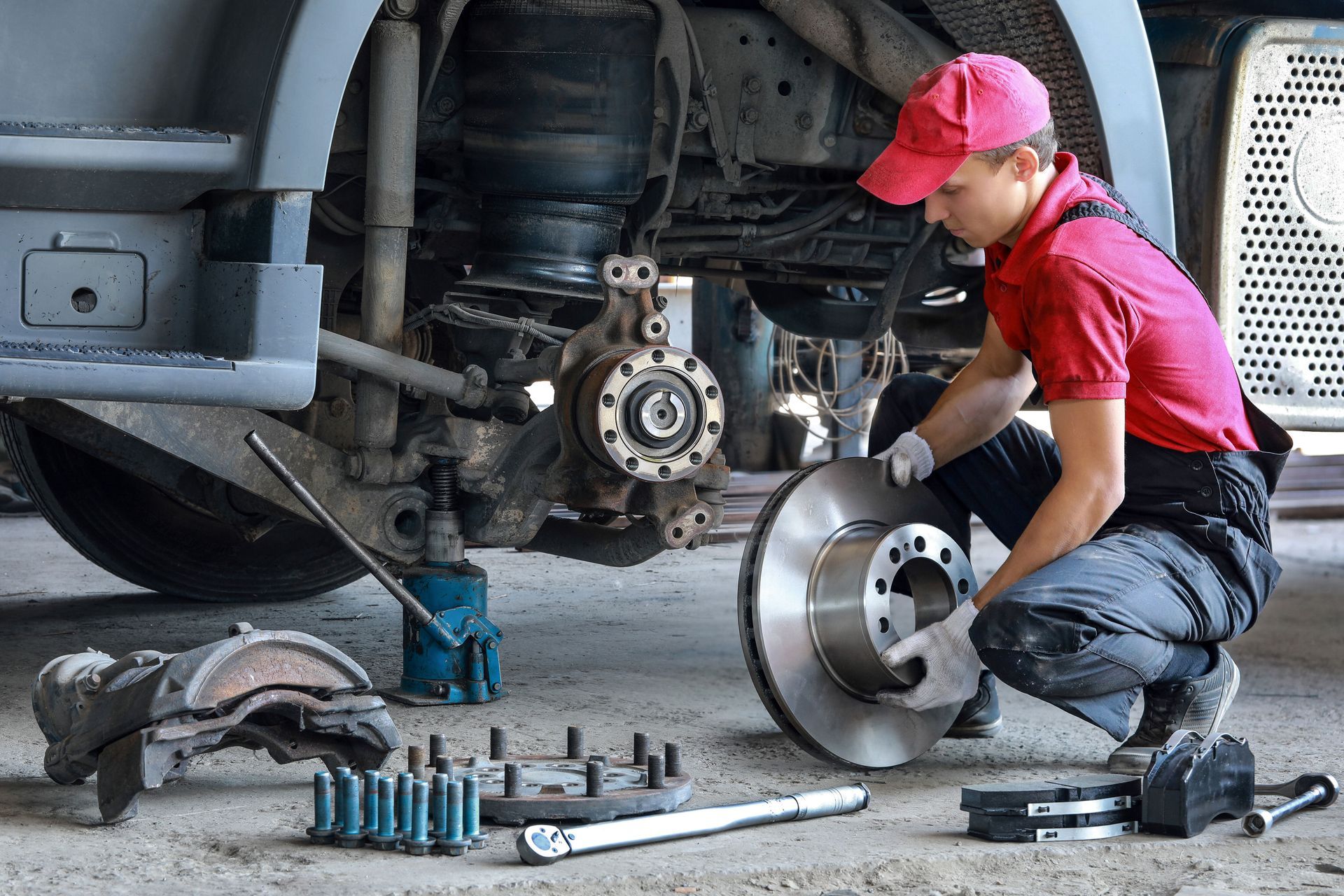
A grinding noise, however, represents a far more dire situation. This sound indicates that the brake pads have worn away completely, leaving the metal backing plates to grind directly against the iron rotors. This metal-on-metal contact creates intense heat and deep grooves in the rotors, which can lead to "fade" or total failure. At this stage, a simple pad replacement is no longer sufficient; you will likely need to pay for expensive new rotors as well. Delaying service once grinding begins is dangerous and financially taxing.
Other noises, such as clicking or hissing, point to different mechanical failures within the assembly. A clicking sound might indicate that a brake caliper is loose or that the pads are shifting within their housing due to broken clips. A hissing sound is even more serious, often signaling a leak in the brake booster or air entering the hydraulic lines. Both of these issues compromise the pressure needed to stop the vehicle quickly. Addressing these sounds early prevents minor mechanical irregularities from evolving into a total loss of braking pressure.
Monitoring Vibration and Pulling
If you feel a pulsing or vibrating sensation through the brake pedal when slowing down, your rotors are likely warped. Rotors can become uneven due to the extreme heat generated during heavy braking, such as when driving down long hills or in stop-and-go traffic. When the brake pads clamp down on a warped surface, they vibrate, and that energy is transmitted through the hydraulic lines to your foot. This vibration reduces the surface area contact between the pad and the rotor, which significantly increases your stopping distance.
A vehicle pulling to one side during braking is another red flag that the system is unbalanced. This behavior often suggests that a brake caliper is "stuck" or that the hydraulic pressure is not being distributed equally across all four wheels. If one wheel is braking harder than the others, it pulls the steering in that direction, which can lead to a loss of control during an emergency stop. This misalignment is particularly hazardous on wet or icy roads where precise directional control is mandatory for safety.
Vibrations felt through the steering wheel rather than the pedal usually indicate that the front rotors are specifically impacted. Because the front brakes provide roughly 70% of a vehicle's stopping power, any irregularity here is amplified through the steering rack. Ignoring these tremors can lead to premature wear on your tires and suspension components. A professional inspection will determine if the rotors can be "resurfaced" or if they must be replaced entirely to restore a smooth, safe ride.
Heeding Warning Lights
Modern vehicles are equipped with sophisticated sensors that monitor the health of your braking system in real-time. If the brake warning light illuminates on your dashboard, it should never be ignored. This light can trigger for several reasons, including a low level of brake fluid in the reservoir or a significant drop in hydraulic pressure. Because the system is sealed, low fluid often indicates either a leak in the lines or that the brake pads have worn so thin that the fluid has shifted to fill the space in the calipers.
The Anti-lock Braking System (ABS) light specifically monitors the electronic sensors that prevent your wheels from locking up during a skid. If this light stays on, your vehicle may still stop, but you will lose the advanced safety benefits of the ABS during a sudden or slippery stop. This increases the risk of hydroplaning or spinning out of control. A professional diagnostic tool is required to read the error codes stored in the vehicle's computer and determine which sensor or module has failed.
Checking Pedal Feel
The physical sensation of the brake pedal can tell you a lot about the health of the hydraulic system. If the pedal feels "spongy" or soft, or if it sinks all the way to the floorboard before the vehicle begins to slow down, you likely have air or moisture in your brake lines. Brake fluid is designed to be incompressible, but air is not. When air enters the system, the force from your foot is wasted on compressing bubbles rather than moving the brake pads, leading to a terrifying loss of stopping power.
A "stiff" or hard-to-press pedal is also a sign of a failing component, typically the power brake booster. This part uses vacuum pressure to help you apply force to the brakes; when it fails, you have to use significantly more physical effort to stop the car. This can be dangerous for drivers who may not have the leg strength to bring a heavy vehicle to a sudden halt. Both an overly soft and an overly hard pedal indicate that the hydraulic system is compromised and requires immediate professional attention.
Noticing Visual Indicators
Sometimes, the best way to determine if you need brake services is to simply look through the spokes of your wheels. You can often see the brake pads without even taking the tire off. If the pad looks to be less than a quarter-inch thick, it is time for a replacement. Many drivers also notice an excessive amount of "brake dust" on their rims. While some dust is normal, a sudden increase can signify that the pad material is breaking down more rapidly than usual due to excessive heat or poor-quality components.
Leaks are another visual cue that should lead to an immediate repair. If you see a clear or slightly yellow oily puddle near your wheels or under the hood, your master cylinder or brake lines may be leaking. Because the braking system relies on high-pressure hydraulics, even a pinhole leak will eventually lead to a total loss of braking ability. Keeping the area around your wheels clean allows you to spot these leaks early, before they lead to a dangerous failure on the highway.
Ultimately, your intuition as a driver is a powerful tool. If your vehicle just doesn't feel as sharp or responsive as it once did during stops, don't wait for a warning light or a grinding sound to confirm your suspicions. Early intervention is the most cost-effective way to manage your vehicle's health and ensure your safety. By prioritizing professional oversight, you keep your car roadworthy and your passengers protected. For more information about the services that we offer, reach out to our incredible team at Vail Automotive today!